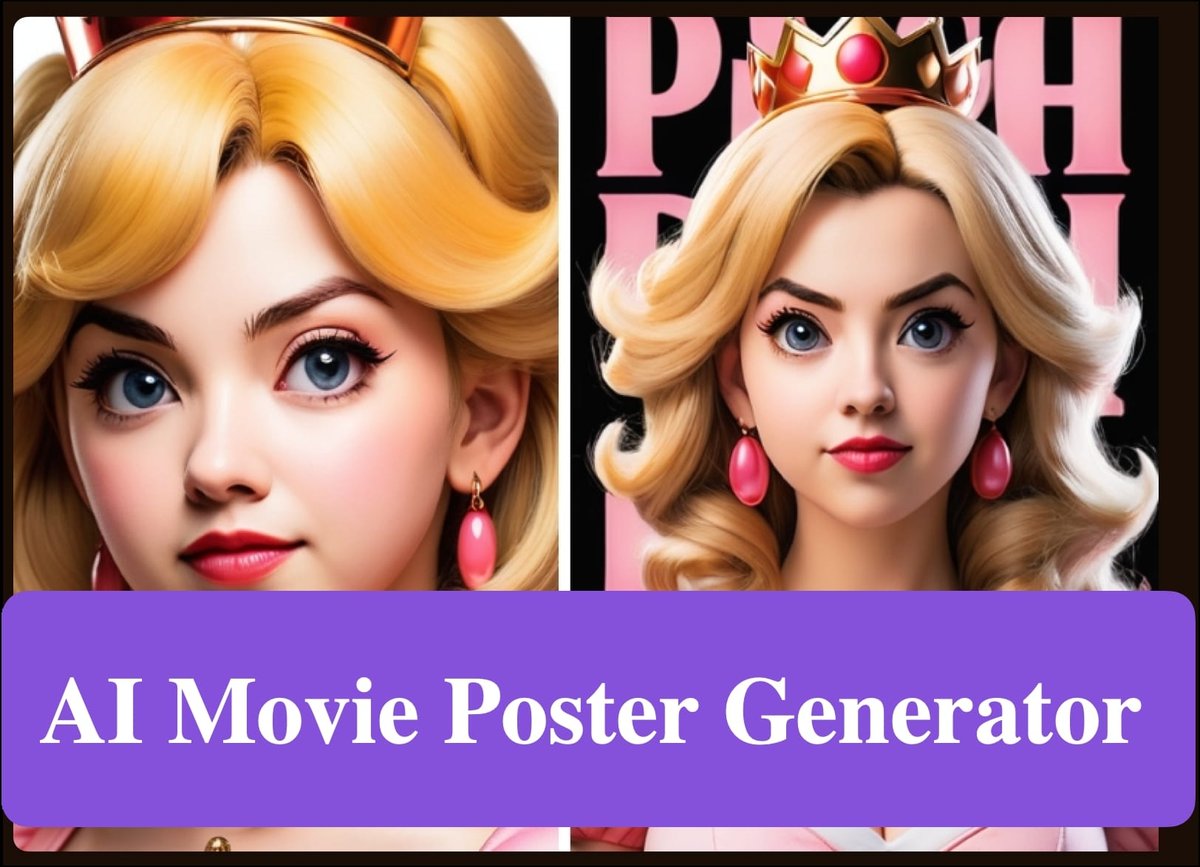
The flickering promise of the silver screen has always been amplified by its iconic artwork. From hand-painted masterpieces to digital composites, the movie poster is more than just an advertisement; it's a visual hook, a genre signifier, and often, a piece of art in itself. But in an increasingly crowded media landscape, simply creating a beautiful poster isn't enough. Today, the challenge isn't just to catch an eye, but to convert that glance into a click, a stream, or a ticket purchase. This is precisely where the strategic art of Optimizing AI Movie Posters for Marketing & Distribution becomes a game-changer for filmmakers, studios, and distributors alike.
Artificial intelligence is no longer a futuristic concept; it's a powerful co-creator and an analytical engine revolutionizing how films are promoted and discovered. When harnessed correctly, AI can elevate your movie poster from a static image to a dynamically optimized marketing asset, tailored for maximum impact across diverse platforms and audiences.
At a Glance: Key Takeaways for AI Movie Poster Optimization
- AI as a Creative Catalyst: Leverage AI tools like DALL-E 3 to rapidly generate diverse movie poster concepts, saving time and resources.
- Prompt Engineering is Paramount: Mastering detailed, iterative prompts is crucial for guiding AI to produce accurate and compelling visuals.
- Beyond Generation: AI's true power lies in its ability to analyze, A/B test, and predict which poster variations will resonate most with target audiences.
- Strategic Adaptation: Use AI to automatically format and tweak poster elements for various social media platforms and streaming service thumbnails.
- Metadata Matters: The visual cues in your AI-generated posters can inform metadata optimization, boosting search visibility and click-through rates.
- The Human Touch is Irreplaceable: While AI automates creation and analysis, human oversight, creative vision, and final approval remain essential.
- Address Ethical & Copyright Concerns: Be aware of potential biases and intellectual property issues when using AI-generated art.
The AI Revolution: Redefining Film Marketing Assets
The film industry, historically a bastion of human creativity, is rapidly embracing AI across its value chain. This shift isn't about replacing human talent, but augmenting it, providing tools that accelerate workflows, unlock new creative avenues, and deliver unprecedented levels of insight. From automated trailer generation to sophisticated audience analysis, AI is streamlining every facet of film promotion.
Key Art Generators, specifically, are at the forefront of this transformation for visual assets like movie posters and thumbnails. These AI-powered platforms can conjure up dozens of design variations in mere moments, analyzing rules of composition to create layouts that grab attention. Think of it as having an entire design studio at your fingertips, capable of endless ideation.
Why AI-Powered Posters Aren't Just a Gimmick
Traditional poster design is often a lengthy, costly, and iterative process. While invaluable, it typically yields a limited number of concepts. AI shatters these constraints, offering a suite of compelling benefits:
- Cost-Effectiveness: Generating initial concepts with AI significantly reduces the need for expensive early-stage design work, making high-quality visual development accessible even for indie filmmakers. Microsoft Bing's integration with DALL-E 3, for instance, offers a powerful, no-cost gateway to advanced AI image generation.
- Blazing Speed & Rapid Iteration: Imagine needing to visualize your film with a dozen different "angles"—a romantic drama focus, a thriller vibe, or a character-driven approach. AI can generate these variations, often complete with suggested opening shots and scroll-stopping elements, in minutes. This allows for instant experimentation and refinement that was previously unthinkable.
- Enhanced Creativity & Exploration: AI acts as a brainstorming partner, proposing unexpected visual motifs or stylistic interpretations you might not have considered. It can generate visual identity packages, from full posters to GIF-style loops and still images, automatically.
- Accessibility: For those without a professional design background, AI image generators democratize the creation of visually striking marketing materials. You don't need to be a Photoshop wizard to craft a compelling poster.
- Data-Driven Design: This is where AI truly shines for marketing. Beyond just generating art, AI helps test and predict which visuals will perform best, tailoring them to specific audience interests and platforms.
Deconstructing the AI Movie Poster Workflow: A Step-by-Step Guide
The journey from concept to optimized AI movie poster is an exciting blend of creative vision and technological precision.
1. Accessing Your AI Co-Creator
Most users start with accessible, powerful tools. Microsoft Bing, integrated with DALL-E 3, provides a robust, often free, entry point. You simply need a web browser like Microsoft Edge to get started.
2. The Art of Prompt Engineering: Guiding Your AI
This is arguably the most critical step. AI models are only as good as the instructions you give them. Think of your prompt as a script for your AI artist.
- Start with the Core: Begin by clearly stating your request: "A movie poster for a sci-fi thriller."
- Add Specificity: Layer on details. What's the mood? "Gritty, futuristic, intense, with a sense of dread."
- Describe Key Elements: Who are the characters? What's the setting? "A lone female protagonist in power armor, looking defiantly at a colossal alien structure on a desolate red planet."
- Define Artistic Style: Do you want a photorealistic look, a retro 80s feel, or something painterly? "Art style of Syd Mead meets 'Blade Runner 2049' with dark, neon lighting."
- Crucial for Marketing: Include instructions for text. To avoid distorted text, be explicit: "Movie poster text reading 'COSMIC DRIFT' at the top, and 'The future is not what it seems' as a tagline at the bottom."
3. Iterative Refinement: Shaping Your Vision
Your first prompt likely won't yield the perfect result. That's okay! This is where the magic of iteration comes in.
- Analyze the Output: Review the initial generated images. What works? What doesn't? Are the characters accurate? Is the mood right?
- Refine Your Prompt: Adjust your instructions. If the character looks too young, add "aged, weary face." If the colors are too bright, specify "desaturated, somber palette."
- Experiment with Keywords: Try alternative phrasing or synonyms if you're hitting a creative wall. Sometimes a slight change in a descriptive word can unlock a whole new set of visuals.
- Generate More Options: Keep feeding refined prompts back into the AI, generating new sets of images until you get closer to your desired outcome.
4. Customizing and Saving Your Masterpiece
Once you're satisfied with a particular generation, most AI tools offer basic customization options—adjusting colors, lighting, or minor compositional elements. Finally, save your high-resolution image, ready for the next stage of optimization.
This is just the first step: Generate AI movie posters with powerful tools, but the real marketing impact comes from strategic optimization.
Beyond Generation: Strategic Optimization with AI for Marketing & Distribution
Creating a visually striking poster is one thing; ensuring it reaches the right eyes and compels action is another. AI's capabilities extend far beyond mere image generation, offering sophisticated tools for distribution and marketing.
1. A/B Testing Workflows: Instant Performance Insights
The era of "guess and check" marketing is over. AI-powered A/B testing systems can automatically rotate multiple creative variants of your movie poster across different platforms.
- Real-time Data: These systems track engagement metrics—clicks, views, watch time, and more—to instantly report which version of your poster drives more interaction.
- Optimizing for Impact: You can test variations in character focus, color schemes, taglines, or even subtle compositional changes. AI identifies the winning creative direction, allowing you to deploy the most effective version to a wider audience. This predictive analytics can even estimate audience reach and refine campaigns before launch.
2. Audience Analysis & Predictive Resonance
AI can analyze vast datasets of past audience behavior to predict which visual elements, genres, or themes will resonate most with specific demographics.
- Targeted Visuals: If your film is a niche genre, AI can suggest poster designs that typically appeal to that particular audience segment, whether it's specific imagery, color palettes, or overall mood.
- Localized Campaigns: AI can even help in creating audience-specific messages or localized versions of your poster, adapting visuals and text to cultural nuances, ensuring maximum global impact.
- Identifying Iconic Imagery: AI can scan your full film, identifying recurring motifs and iconic imagery, which can then be incorporated into poster designs for maximum recognition and emotional connection.
3. Metadata Optimization: Boosting Discoverability
On streaming platforms, discoverability is paramount. While traditionally associated with text, your poster's visual content is integral to metadata strategy.
- Visual Cues Inform Tags: AI can analyze the generated posters for genre cues, prominent characters, key objects, and overall tone. This analysis helps optimize titles, tags, and descriptions, improving your film's visibility in search results and recommendation engines.
- Optimizing for Click-Through: Streaming services heavily rely on optimized thumbnails and key art. AI tools can test alternative titles, slogans, and descriptions alongside poster variations to optimize click-through rates and search visibility.
- Automated Summaries: Beyond posters, AI can even generate automated film summaries, loglines, one-sentence hooks, and one-paragraph synopses for distribution partners, ensuring consistent and compelling messaging across all assets.
4. Multi-Platform Adaptation: Tailoring for Every Screen
A single poster won't work optimally everywhere. Social media platforms, streaming services, and mobile devices each have unique aspect ratios and viewing contexts.
- Automated Resizing & Reformatting: AI can automatically adapt your primary poster art into various formats—vertical video clips for TikTok, square images for Instagram, wide thumbnails for Netflix.
- Scroll-Stopping Power: AI can even suggest specific opening shots or the first five seconds of visual content that are optimized for maximum impact and "scroll-stopping" ability on social feeds, using patterns learned from thousands of successful campaigns.
Crafting Winning Prompts: A Deep Dive
Success with AI posters hinges on your ability to communicate your vision effectively. Here's how to refine your prompt engineering skills:
1. Specificity is Your Best Friend
Don't be vague. The more detailed your prompt, the better the AI can understand your intent.
- Character Descriptions: Instead of "a woman," try "a determined female warrior, late 20s, with intricate tribal tattoos and a weathered leather tunic, holding a glowing staff." Specify facial expressions, body language, and costume details.
- Environment & Mood: "A dense, bioluminescent jungle at twilight, with strange flora and a mist rising from the ground, creating an ethereal, mysterious atmosphere."
- Lighting & Color: "Dramatic chiaroscuro lighting, with deep shadows and strong highlights, predominantly cool blues and purples, with a single warm, orange light source emanating from the character's hand."
- Artistic Style: Reference specific artists, eras, or styles. "A chiaroscuro painting by Caravaggio but with futuristic cyberpunk elements," or "a minimalist poster design in the style of Saul Bass."
2. Guiding Text Elements Effectively
One of the most common pitfalls with AI image generation is distorted or nonsensical text.
- Exact Phrasing: Always use precise phrasing like "Movie poster text reading 'THE ECHOES WITHIN' in a bold, sans-serif font, centered at the top."
- Font Style & Placement: Specify font characteristics (bold, serif, futuristic) and placement (top, bottom, right-aligned).
- Avoid Overloading: For complex text, consider generating the image first and adding text in a separate design tool, or provide extremely clear instructions for minimal text.
3. Iterative Evolution: Learn from Every Generation
Think of it as a conversation.
- "Add..." or "Remove...": "Add a distant spaceship in the sky," or "Remove the red glowing eyes from the creature."
- "Change the style to...": "Change the style to a hyper-realistic painting."
- "Make it more/less...": "Make the scene more ominous," or "Make the colors less vibrant."
4. Experimentation is Key
Don't be afraid to try wildly different prompts or keywords if you're not getting the desired results. Sometimes, a completely different angle can unlock the perfect visual. Test different music options and tempos in your prompts if you're exploring auditory elements for trailer generation.
Navigating the AI Landscape: Challenges & Ethical Considerations
While AI offers incredible opportunities, it's not without its complexities. Responsible use requires an understanding of potential pitfalls.
1. Copyright and Intellectual Property
The legal landscape around AI-generated art is still evolving.
- Source Data: AI models are trained on vast datasets of existing images, raising questions about whether their output infringes on the original creators' intellectual property.
- Ownership: Who owns the copyright to an AI-generated image? The user who prompts it? The AI developer? Consult legal counsel, especially for commercial use.
- Originality: Ensure your AI-generated poster isn't too derivative of existing famous artworks.
2. Bias and Misrepresentation
AI models learn from the data they're fed. If that data contains biases (e.g., underrepresentation of certain demographics), the AI's output can perpetuate those biases.
- Scrutinize Output: Carefully review AI-generated posters for unintended stereotypes, misrepresentations, or lack of diversity.
- Explicit Prompts: Counter potential bias by including diverse and inclusive descriptions in your prompts. "A diverse cast of characters from various ethnic backgrounds."
3. The Need for Human Oversight
AI is a tool, not a replacement for human judgment and creativity.
- Quality Control: AI can sometimes produce "hallucinations"— illogical or nonsensical elements, distorted anatomy, or inconsistent visuals. Human review is crucial for catching these errors.
- Nuance and Subtlety: While AI can mimic styles, true artistic nuance, deep emotional resonance, and a film's unique voice often require human direction and refinement.
4. Over-Reliance and Authenticity
While tempting to let AI do all the heavy lifting, remember that word-of-mouth and genuine emotional connection remain the most powerful marketing tools. An AI-generated poster should enhance, not dilute, the authentic appeal of your film.
The Indispensable Human Element: Why Your Vision Still Leads
Despite AI's impressive capabilities, the creator's role remains paramount. AI is an incredibly powerful brush, but you are still the artist.
- Defining the Vision: Filmmakers and marketers still define the target audience, the core promise of the film, its mood, and its desired rating. AI assists in execution, but the strategic direction is human-driven.
- Final Approval: The ultimate creative and marketing decisions, including the final approval of any poster design, rest with the human team.
- Injecting Soul: While AI can suggest "angles" (romantic, thriller, comedy), it's the human storyteller who imbues a film and its marketing with true soul and unique identity. This unique perspective is what truly makes a film—and its poster—stand out.
Your Next Move: Harnessing AI for Your Film
The future of film marketing is here, and it's powered by a dynamic partnership between human creativity and artificial intelligence. By embracing AI tools for movie poster optimization, you're not just creating images; you're crafting highly effective marketing assets designed to capture attention, predict engagement, and ultimately, connect your film with its audience.
Start experimenting with prompt engineering today. Understand the iterative process. And always remember that while AI can generate incredible visuals and provide unparalleled analytical insights, your human vision, discernment, and ethical considerations are the true driving force behind a successful marketing campaign. The goal isn't just to make a poster, but to launch a conversation, ignite curiosity, and bring your cinematic story to life for the world to see.