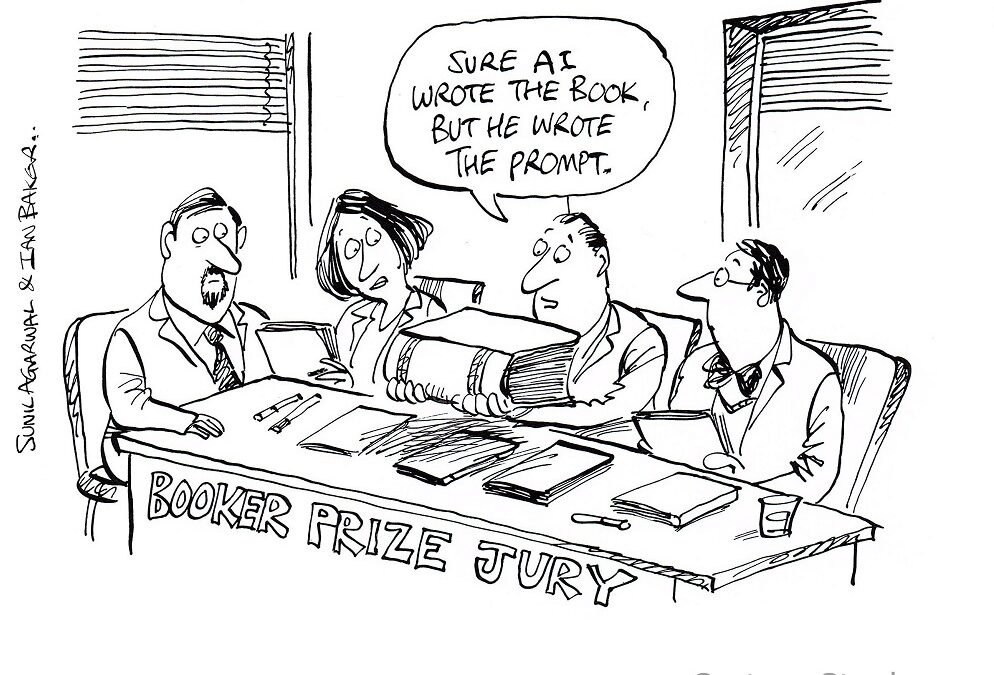
The silver screen demands visuals that captivate, intrigue, and promise an unforgettable story, and now, the art of Prompt Engineering for Movie Posters is fundamentally transforming how we conceive these iconic designs. Gone are the days when poster creation was solely the domain of graphic designers toiling over concept art from scratch; today, artificial intelligence, particularly models like Stable Diffusion, offers an incredibly powerful co-pilot in bringing cinematic visions to life.
This isn't about replacing human creativity. It's about amplifying it, providing a potent new toolkit for filmmakers, marketers, and artists to iterate, explore, and manifest stunning poster concepts at unprecedented speed and scale. But just like any powerful instrument, its true potential is unlocked not by simply hitting keys, but by understanding the nuanced language it speaks.
At a Glance: Crafting AI-Powered Movie Posters
- Prompt Engineering is Your Superpower: Learn to speak AI's language for stunning visual results.
- Deconstruct the Art: Break down a successful movie poster into core visual elements.
- Genre-Specific Strategies: Tailor your prompts for action, romance, sci-fi, horror, and more.
- The Power of Keywords: Discover how precise adjectives, styles, and lighting transform output.
- Iterate and Refine: AI design is a conversation; expect multiple rounds of prompting.
- Human Touch Remains Key: AI is a tool; your creative vision and artistic direction are irreplaceable.
Beyond the Blank Canvas: What is Prompt Engineering for Posters?
Think of prompt engineering as the delicate art of instructing an artificial intelligence model, like Stable Diffusion, to generate a specific image. For movie posters, this means giving the AI a textual description so rich and detailed that it understands not just what to draw, but how to draw it – capturing the mood, genre, style, and core narrative elements in a single, compelling image. It's about turning abstract ideas into concrete visual directives.
Historically, crafting a movie poster involved concept sketches, mood boards, photography, illustration, and extensive digital manipulation. With AI, that process shifts. You become less of a direct manipulator of pixels and more of a conductor, orchestrating the AI to realize your vision. This requires a different kind of skill set: one that blends visual literacy with linguistic precision. It's less about drawing and more about describing, about painting with words to evoke the desired outcome from the digital canvas.
The Anatomy of an Effective Movie Poster Prompt
A truly effective prompt for generating movie posters isn't just a string of keywords; it's a carefully constructed narrative for the AI. It guides the model through the core elements of your desired image, from its main subject to its artistic style and atmospheric details. Let's break down the components that typically go into a high-quality prompt for an AI like Stable Diffusion.
Core Elements of a Winning Prompt
- Subject & Focus: Who or what is the central element? Be specific. Is it a character, an object, a location?
- Example:
rugged cowboy,powerful wizard,two lead characters
- Setting & Environment: Where does the story take place? Describe the backdrop in detail.
- Example:
detailed desert landscape,futuristic cityscape,vibrant city background
- Mood & Atmosphere: What emotional tone should the poster convey? Use evocative adjectives.
- Example:
dramatic sunset,chilling crime scene,humorous situation,ominous setting
- Style & Aesthetic: How should it look? Specify artistic movements, lighting, color palettes, and rendering techniques.
- Example:
noir setting,colorful, whimsical,vintage backdrop,vibrant stage scene,cinematic lighting,8k, photorealistic
- Composition & Perspective: How should the elements be arranged? What kind of shot is it?
- Example:
close-up of the main characters,dramatic chase scene,wide shot
- Key Objects/Symbols: Are there specific items that convey meaning or genre?
- Example:
glowing mystical artifact,advanced technology,complex puzzle,powerful symbol
- Text & Typography (Optional but powerful): While AI isn't perfect with text yet, you can imply its presence and style.
- Example:
playful tagline,catchy movie title,bold sans-serif font
- Negative Prompts (What to Exclude): Equally important is telling the AI what not to include. This often involves common AI generation artifacts or elements that detract from the desired mood.
- Example:
ugly, deformed, blurry, bad anatomy, disfigured, poorly drawn face, mutation, extra limb, missing limb, floating limbs, disconnected limbs, malformed hands, blurry, out of focus, long neck, long body, (bad art:1.4), (loli, child:1.2)(This is a common starter negative prompt set).
By carefully constructing these elements, you create a powerful instruction manual for the AI, guiding it towards images that are not just visually appealing but also strategically effective as movie posters.
Mastering the Genres: 20 Prompts to Ignite Your AI Poster Designs
Let's dive into practical application, drawing inspiration from various film genres. Each genre demands a distinct visual language, and your prompts must reflect this to truly capture the essence of the movie. We'll explore specific strategies, drawing from tested concepts and expanding on the core ideas to give you a clearer roadmap. You'll find that crafting more creative prompts often involves blending these elements artfully, a skill you can start building today as you learn to speak to the AI.
Action & Adventure
These genres thrive on dynamism, heroism, and high stakes. Your prompts should convey movement, power, and often, a sense of impending danger or exhilarating triumph.
- High-Octane Action Film:
rugged hero, fiery explosion, dramatic chase scene, city street at night, cinematic lighting, lens flare, 8k, movie poster style
- Strategy: Emphasize action verbs and powerful nouns. Think about composition that suggests motion (diagonal lines, blurred backgrounds).
- Thrilling Adventure Film:
daring explorer, dangerous jungle, hidden treasure, ancient temple ruins in background, misty atmosphere, golden hour lighting, wide shot, adventure movie poster
- Strategy: Focus on exotic locations and clear objectives (treasure, artifact). Use lighting to enhance mystery or grandeur.
Sci-Fi & Fantasy
These genres open the door to boundless imagination. Your prompts should build worlds, reveal magical elements, and hint at technology beyond our grasp.
3. Fantasy Epic: powerful wizard, detailed magical realm, glowing mystical artifact held aloft, majestic castle in background, ethereal light, hyperdetailed, epic fantasy movie poster, volumetric lighting
- Strategy: Detail is key. "Magical realm" can be expanded to "glowing bioluminescent forest" or "floating crystal city."
- Sci-fi Thriller:
futuristic cityscape at night, advanced technology glowing, mysterious alien figure silhouetted against neon lights, dystopian atmosphere, sharp focus, sci-fi movie poster, cyberpunk style
- Strategy: Contrast is powerful: light vs. shadow, human vs. alien, old vs. new. Specific sub-genres like "cyberpunk" or "space opera" help define the aesthetic.
- Dystopian Sci-Fi:
rebel leader, ruined cityscape at dusk, powerful symbol spray-painted on a crumbling wall, oppressive surveillance drones in sky, desaturated colors, gritty texture, dystopian movie poster
- Strategy: Focus on themes of oppression and resistance. Use color palettes that evoke despair or stark contrast.
Drama & Mystery
Here, the focus is often on emotion, intrigue, and compelling characters. Prompts should convey mood, character depth, and a sense of unfolding narrative.
6. Gripping Crime Drama: detective in a noir setting, shadowy suspect in the background, chilling crime scene detail (e.g., single bloody handprint), rain-slicked street, dramatic chiaroscuro lighting, gritty film grain, crime drama movie poster
- Strategy: Atmosphere is paramount. "Noir setting" implies specific lighting and color. Include small, crucial details.
- Touching Drama:
close-up of the main characters (man and woman), emotional scene (shared glance, tear), soft focus background, warm glow, powerful movie title (implied placement), emotional drama poster
- Strategy: Emphasize emotional states and human connection. Lighting should be gentle and evocative.
- Suspenseful Mystery:
shadowy figure partially obscured, complex puzzle (e.g., cryptic map, decoded message) on a table, ominous setting (e.g., abandoned library, dark mansion), foggy atmosphere, deep shadows, mystery thriller movie poster
- Strategy: Build intrigue through concealment and suggestion. Lighting should create strong shadows and uncertainty.
Comedy & Romance
These genres aim to evoke laughter or heartfelt connection. Prompts should reflect lightheartedness, humor, or genuine affection.
9. Romantic Comedy: two lead characters (man and woman) in a humorous situation (e.g., tangled in Christmas lights, sharing a comically oversized ice cream), vibrant city background, playful tagline (implied), bright and cheerful colors, rom-com movie poster
- Strategy: Focus on interaction and a visually amusing scenario. Use bright, inviting color palettes.
- Hilarious Comedy:
group of funny characters (diverse ages, exaggerated expressions), chaotic situation (e.g., food fight, car chase gone wrong), witty movie title (implied), vibrant and energetic, slapstick comedy movie poster
- Strategy: Emphasize dynamism and exaggerated expressions. A crowded scene often works well.
Animation & Family
These posters need to be inviting, colorful, and often fantastical, appealing to a broad audience, especially children.
11. Family-Friendly Animation: colorful, whimsical characters (e.g., talking animals, brave child), vibrant fantasy land (e.g., candy kingdom, cloud city), catchy movie title (implied), Pixar style, warm inviting lighting, animated movie poster
- Strategy: Focus on bright colors, inviting settings, and clear character personalities. "Whimsical" helps define the tone.
Historical & Biopic
Authenticity and a sense of a specific era are crucial here. Prompts should evoke the period through costumes, settings, and historical details.
12. Historical Biopic: main character (e.g., famous inventor, historical leader) in period costume, vintage backdrop (e.g., smoky industrial factory, ornate royal palace), powerful tagline (implied), sepia tone, historically accurate details, biopic movie poster
- Strategy: Research specific historical details for clothing, architecture, and technology to include in your prompt.
- Epic War Film:
group of soldiers (diverse faces, determined expressions), dramatic battlefield (e.g., trench warfare, desert conflict), patriotic tagline (implied), gritty realism, smoke and dust, desaturated color palette, war movie poster
- Strategy: Emphasize realism, struggle, and the human element within conflict.
Musicals & Performances
These posters need to convey spectacle, energy, and the magic of live performance.
14. Grand Musical: vibrant stage scene, elegant dancers mid-performance, dazzling marquee lights in the background, opulent theater interior, dramatic spotlighting, rich colors, Broadway musical poster style
- Strategy: Focus on movement, light, and the grandeur of performance.
Unique & Niche Genres
AI can also handle more specific or specialized film types, demonstrating its versatility.
15. Coming-of-Age Indie Film: group of teenagers (diverse, thoughtful expressions), nostalgic backdrop (e.g., small-town diner, summer field), poignant tagline (implied), soft natural light, film photography aesthetic, indie movie poster
- Strategy: Emphasize authenticity and emotional resonance. Soft lighting and specific photographic styles enhance the indie feel.
- Gripping Political Thriller:
charismatic politician addressing a crowd of protesters, suspenseful tagline (implied), iconic landmark (e.g., parliament building) in background, dramatic low-angle shot, desaturated colors, political thriller movie poster
- Strategy: Focus on power dynamics, public spaces, and the tension of a moment.
- Heartwarming Holiday Film:
festive scene (e.g., cozy living room, snowy village square), family gathering around a fireplace, jolly Santa Claus waving, warm twinkling lights, joyful atmosphere, holiday movie poster
- Strategy: Fill the scene with iconic holiday elements and evoke feelings of warmth and joy.
- Captivating Documentary:
striking real-life image (e.g., endangered animal in its habitat, lone scientist in a lab, historical artifact), compelling subject, provocative title (implied), realistic photography style, documentary poster
- Strategy: Focus on authenticity and the power of a single, impactful image.
Remember, these 20 examples are starting points. The real magic happens when you start blending these concepts, adding your unique details, and experimenting with various mastering your AI image generator settings.
Beyond the Prompt: Essential Techniques for Refinement
Crafting the initial prompt is just the first step. The true mastery of prompt engineering for movie posters lies in the iterative process of refinement, much like a film editor fine-tuning a scene.
1. Leverage Negative Prompts
We touched on them earlier, but their importance cannot be overstated. A strong negative prompt list helps filter out common AI undesirable traits, like distorted faces, extra limbs, or muddy compositions. It's like telling the AI: "Give me this, but not that." Regularly updating and refining your negative prompts based on your generated images is a critical skill.
2. Experiment with Parameters
Most AI image generators offer various parameters beyond the text prompt itself:
- Guidance Scale (CFG Scale): Controls how strictly the AI adheres to your prompt. A higher value means closer adherence, but can sometimes lead to less creativity or over-saturation.
- Seed Number: A specific numerical value that allows you to reproduce an image or generate variations based on a starting point. Crucial for consistency.
- Image-to-Image (Img2Img): Start with an existing image (either AI-generated or your own) and use a prompt to transform it. This is incredibly powerful for maintaining composition while changing style or details.
- Sampling Method: Different algorithms (e.g., DPM++ 2M Karras, Euler A) produce subtly different aesthetics. Experiment to find what works best for your style.
- Resolution/Aspect Ratio: Crucial for posters. Often, a vertical aspect ratio (e.g., 2:3 or 9:16) is ideal. Higher resolution typically means more detail, but also longer generation times.
3. Iteration and Variation
Don't expect perfection on the first try. Generate multiple images from a single prompt. Then, pick the most promising ones and iterate:
- Minor Keyword Adjustments: Change "glowing mystical artifact" to "pulsating magical orb."
- Reorder Keywords: The order of keywords often influences their weight. Put the most important elements first.
- Add/Remove Details: Experiment with adding specific camera angles (e.g.,
dramatic low-angle shot) or removing elements that distract. - Blend Concepts: Combine successful elements from different generations.
- Use Tools for Variation: Many platforms have "variation" buttons or allow you to use a previous image's seed with a slightly modified prompt.
4. Style Modifiers: The Secret Sauce
These are keywords that significantly alter the artistic direction. Think of them as giving the AI an art history lesson.
cinematic,photorealistic,oil painting,concept art,digital matte painting,Impressionisticnoir,cyberpunk,steampunk,art decoby Greg Rutkowski,by Artgerm,by Alphonse Mucha(referencing specific artists can evoke their style, but be mindful of ethical considerations and artist compensation).8k,hyperdetailed,award-winning photography,trending on ArtStation
By strategically applying these style modifiers, you can dramatically transform the output from generic to gallery-worthy. As you continue your journey, you'll discover that crafting more creative prompts is an ongoing learning process, constantly evolving with new AI capabilities.
The Human Element: Blending AI with Your Vision
While AI can generate breathtaking images, the truly extraordinary movie posters emerge when human creativity directs the machine. Stable Diffusion, at its core, is a tool; it's the artistic eye, the understanding of narrative, and the strategic thinking you bring that elevates its output. The real insight here is that you must blend its capabilities with personal creativity to create extraordinary visuals.
Visual Storytelling: The Unchanging Core
A great movie poster tells a story at a glance. It evokes emotion, establishes genre, and draws the viewer in. AI helps you generate stunning visuals, but you still need to be the master storyteller. Consider:
- Symbolism: What hidden meanings can you embed? A broken clock for a time travel film, a single rose for a romance.
- Color Psychology: Red for passion or danger, blue for calm or sadness, green for nature or envy.
- Compositional Balance: The rule of thirds, leading lines, negative space—these the essentials of visual storytelling still apply, even when the AI is doing the "drawing."
- Audience Connection: Who is this poster for? What will resonate with them?
Post-Production and Refinement
Even the best AI-generated image often benefits from a touch of human post-production. This isn't a failure of the AI; it's a testament to the symbiotic relationship between human and machine.
- Minor Edits: Cropping, color correction, dodging and burning, sharpening.
- Text Integration: Adding the actual movie title, tagline, and credits using traditional graphic design tools. AI is still imperfect with text generation, so this is almost always a manual step.
- Compositing: Blending elements from multiple AI generations or adding specific photographic elements.
- Licensing & Ethics: Be mindful of the source of any base images you use (if not generated from scratch by AI) and the legal implications of using AI art commercially.
The future of movie poster design isn't just AI, nor is it just human. It's the powerful synergy between the two, where AI handles the heavy lifting of visual generation, and human designers provide the irreplaceable spark of narrative and artistic direction. As you dive deeper, you might find yourself exploring advanced Stable Diffusion tips and tricks that allow you to achieve even greater control over your creative output.
Common Questions and Misconceptions about AI Movie Posters
Navigating the world of AI art can bring up several questions. Let's clarify some common points.
"Does prompt engineering require coding skills?"
No, absolutely not. Prompt engineering is about using natural language (English, in this case) to instruct the AI. While some advanced users might use specific syntax or parameters, the core skill is clear, descriptive writing, not programming. Think of it as writing highly specific, creative instructions.
"Will AI replace human movie poster designers?"
Highly unlikely. AI is a powerful tool, not a replacement for human creativity, strategic thinking, or the nuanced understanding of a film's emotional core. It automates the generation of visual concepts, freeing designers to focus on higher-level creative direction, storytelling, and refinement. The most compelling work will likely come from designers who master AI tools, rather than those who ignore them.
"Is AI art truly original?"
This is a complex and evolving debate. AI models are trained on vast datasets of existing art, which means their outputs are "inspired" by human work. However, the unique combination of elements, styles, and concepts generated by a well-engineered prompt can result in images that are entirely novel and creatively distinct. The debate often centers on intellectual property and attribution, which are still being defined in the legal landscape.
"How long does it take to get a good poster with AI?"
It varies wildly. You might get a surprisingly good concept in minutes with a solid initial prompt. However, achieving a final, polished poster often involves hours of iterative prompting, refining, generating variations, and then potentially post-processing in traditional graphic design software. It's fast for concept generation, but can still require significant time for finalization.
"What if the AI doesn't understand my prompt?"
This is a common experience! It means your prompt needs refinement. The AI is literal. If you ask for a "happy monster," it might give you a monster with a creepy grin. You need to be more specific: friendly monster, gentle smile, bright eyes, playful pose. Also, ensure you're using strong negative prompts to remove unwanted elements.
Your Next Steps: From Prompt to Premiere-Ready Poster
The journey from a blank screen to a stunning movie poster powered by AI is an exciting one. You now have a solid foundation in prompt engineering, a repertoire of genre-specific strategies, and an understanding of the iterative refinement process.
Remember the core principle: Stable Diffusion is a tool; blend its capabilities with personal creativity to create extraordinary visuals. Don't let the technology intimidate you; let it inspire you. Start simple, experiment boldly, and learn from every generation.
Here's your actionable roadmap:
- Choose Your Genre: Pick a film concept you're passionate about – whether it's a fantasy epic or a gripping crime drama.
- Draft Your First Prompt: Using the elements discussed, write a detailed prompt for your chosen genre. Be as descriptive as possible.
- Generate and Observe: Input your prompt into Stable Diffusion (or your preferred AI image generator) and generate several images.
- Analyze and Refine: Which elements worked? What needs improvement? Tweak your prompt, adjust parameters, and iterate. Add or strengthen your negative prompts.
- Experiment with Styles: Try different artists, lighting, or rendering techniques to see how they transform your poster's aesthetic.
- Human Enhancement: Take your best AI-generated image and bring it into your favorite graphic design software. Add your movie title, tagline, credits, and any final polish that only a human eye can provide.
The world of AI-driven design is dynamic, constantly evolving, and incredibly powerful. By mastering prompt engineering for movie posters, you're not just creating images; you're shaping narratives, evoking emotions, and ultimately, inviting audiences into stories that might not yet exist. Ready to generate AI movie posters that truly stand out? The power is now at your fingertips.